For too long, industrial maintenance has been a game of catch-up, reacting to breakdowns instead of preventing them. Structured preventive maintenance transforms this reactive approach into planned operations, giving maintenance teams visibility, consistency, and control.
The Hidden Cost of Reactive Maintenance
Unplanned downtime costs industrial manufacturers an average of $260,000 per hour. Multiply that by the frequency of unexpected equipment failures, and the business case for smarter maintenance becomes undeniable. Beyond the direct financial impact, reactive maintenance reduces team morale, strains supplier relationships, and creates compliance risks when critical equipment fails unexpectedly.
Traditional preventive maintenance, which services equipment at fixed time intervals, was a step forward, but it still remains inefficient. Companies often replace parts that still have usable life while missing emerging failures that do not follow scheduled timelines.
From Fixed Intervals to Condition-Based Maintenance
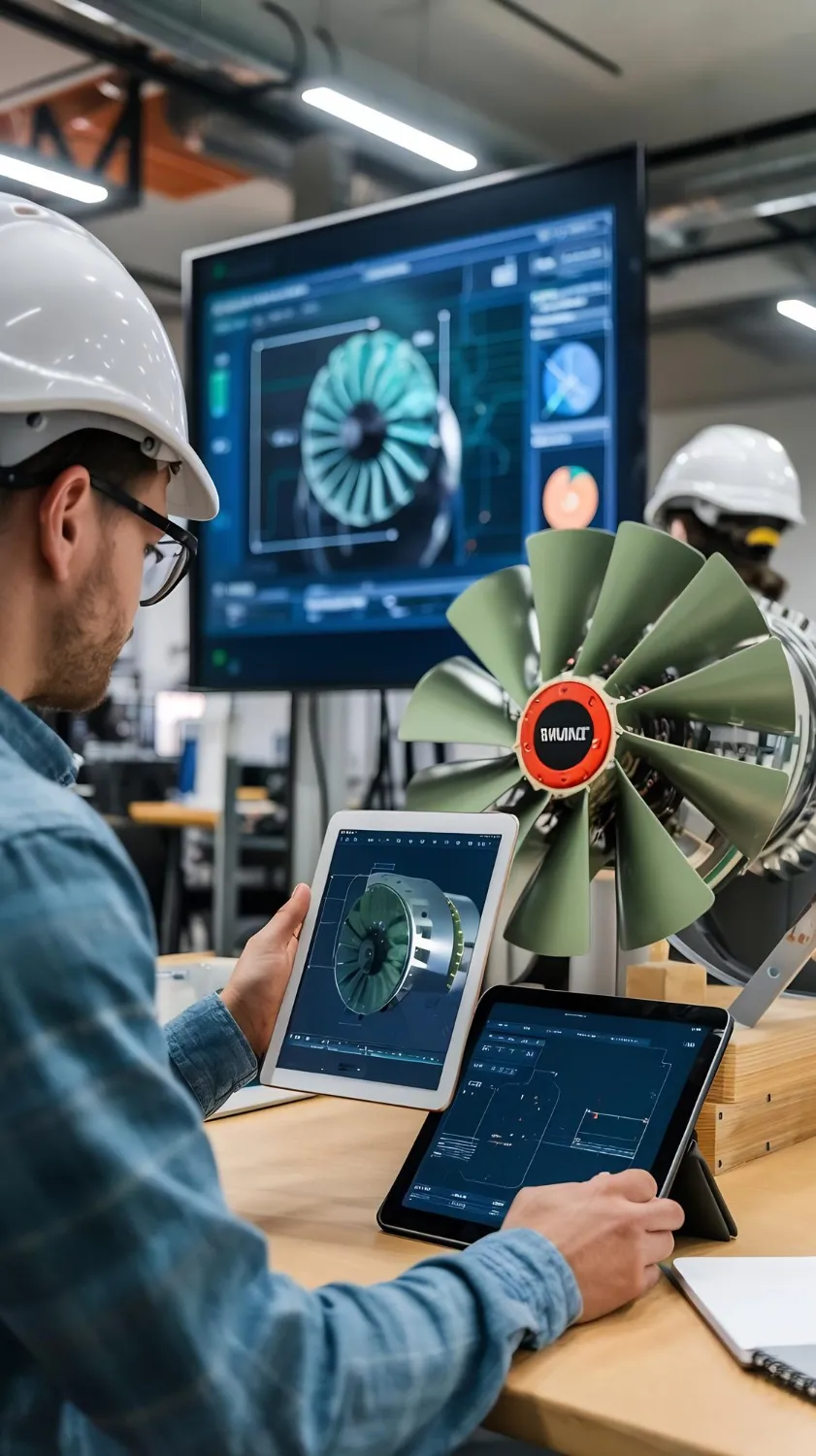
Rather than maintaining equipment on fixed time intervals, condition-based maintenance analyzes operational data - equipment runtime, historical failures, environmental factors, and work order patterns - to identify the optimal maintenance timing for each asset. By understanding how specific equipment has performed in your operations, you can schedule maintenance when it is actually needed, not when a calendar says it is due.
Industrial teams using structured condition-based maintenance report up to 40% reduction in unplanned downtime, 20% decrease in maintenance costs, and extended equipment lifespan through optimized maintenance timing.
A Practical Implementation Roadmap
Starting with structured condition-based maintenance does not require a complete digital transformation overnight. Begin by identifying your ten most critical assets - those whose failure would create the greatest operational impact. Equip these assets with monitoring sensors for vibration, temperature, and pressure, then integrate the data with your CMMS platform to establish baseline conditions and operating patterns.
- Identify your top 10 highest impact assets and establish their normal operating patterns
- Deploy monitoring sensors and connect them to your CMMS data pipeline
- Configure condition thresholds using manufacturer specifications and your historical equipment performance data
- Train maintenance teams to interpret condition alerts and respond based on established procedures
- Review and refine thresholds monthly as you gather more operational data from your equipment
Measuring the ROI
A typical industrial facility with 200 critical assets can often recover its investment in condition-based maintenance within 18 months. Measurable benefits include fewer emergency repair calls, reduced spare parts inventory carrying costs, improved equipment availability, and increased production throughput.